

How to Buy Dolls Safely: A Beginners Guide
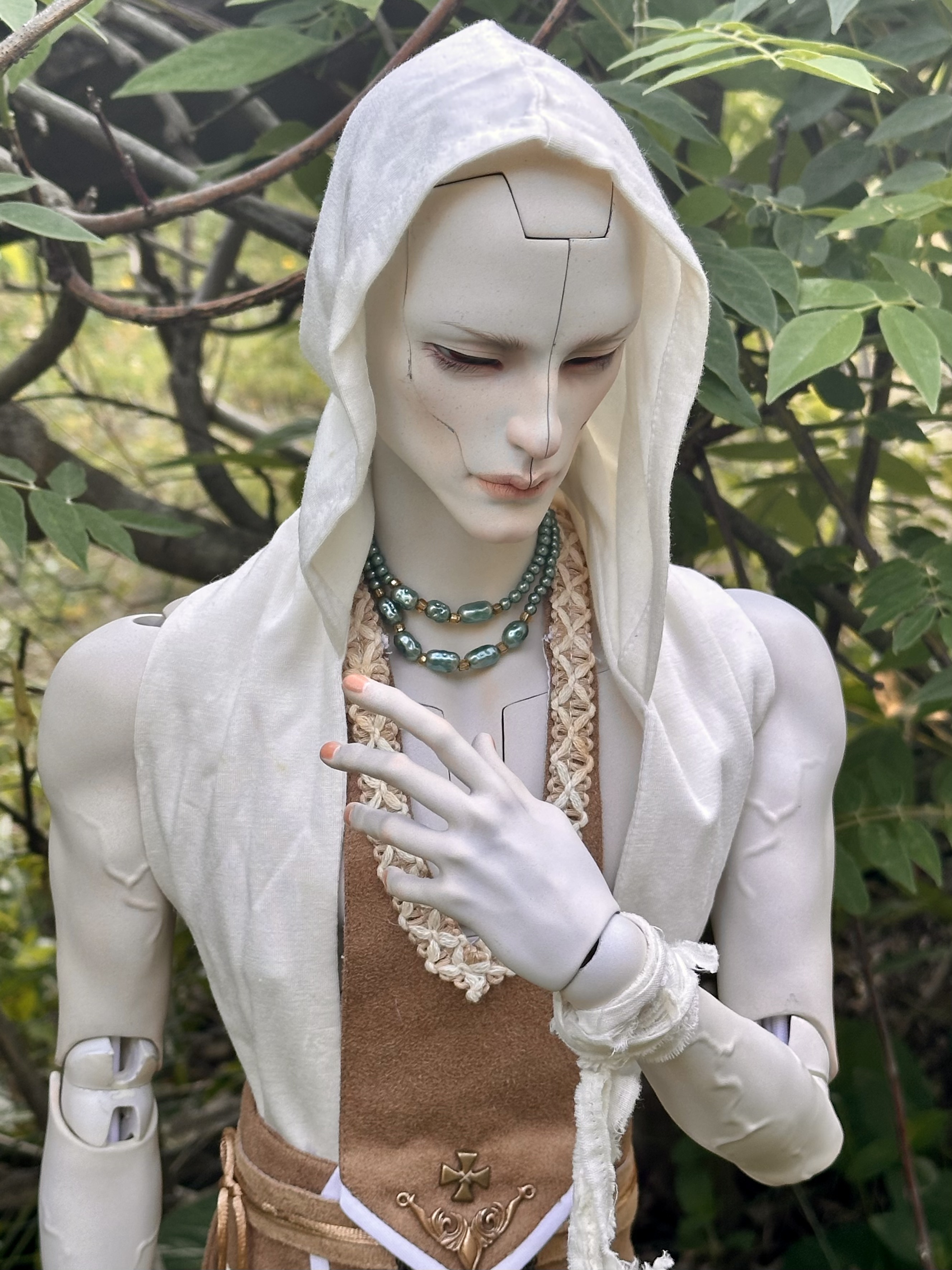
A Guide to Thoughtful and Informed Doll Collecting
Buying a new doll should be one of the most exciting parts of the hobby. Whether you are purchasing your first doll, searching for a discontinued sculpt, supporting an independent artist, or finally bringing home a long-awaited grail, the experience should be memorable for the right reasons.
Unfortunately, the doll hobby is not immune to counterfeit products, dishonest sellers, misleading listings, and online scams.
The unique nature of doll collecting can make purchasing particularly complicated. Dolls may cost hundreds or even thousands of dollars. Independent artists and small companies may have long production periods. Limited releases can disappear quickly. Secondhand dolls may have changed owners several times. International purchases can involve unfamiliar websites, languages, currencies, shipping services, and customs requirements.
None of these things automatically make a purchase unsafe.
They simply make it important to slow down, ask questions, and know what you are buying before sending payment.
At Dollvale, we want collectors to feel confident exploring the hobby while understanding how to protect themselves.
Before You Buy
Research the Doll
Before purchasing a doll, learn as much as you reasonably can about it.
Try to determine:
- The artist or company that created the doll.
- The name of the sculpt.
- The doll’s approximate size and measurements.
- Whether the doll is currently available or discontinued.
- Whether it was a standard or limited release.
- The resin colors or materials originally offered.
- The approximate original retail price.
- What company markings, certificates, boxes, or other identifying materials may have accompanied the doll.
This information can help you recognize suspicious listings, unrealistic prices, incorrect descriptions, and potential recasts.
You do not need to become an expert on every doll before making a purchase. A little research, however, can prevent a very expensive mistake.
Buying Directly From Artists and Doll Companies
Whenever possible, purchasing directly from the original artist or company is one of the safest ways to buy a new doll.
Before ordering, make sure you are visiting the artist or company’s actual website or official sales platform.
Counterfeit websites and impersonation accounts can imitate legitimate businesses. Social media advertisements may also direct collectors to unauthorized sellers rather than the original creator.
Look for official links provided through the artist or company’s established website and social media accounts.
Understand What You Are Ordering
Dolls are sold in many different configurations.
A listing may be for:
- A complete doll.
- A blank doll without a faceup.
- A doll with a company faceup.
- A fullset with clothing and accessories.
- A head only.
- A body only.
- Optional hands, feet, fantasy parts, or other accessories.
Never assume everything shown in promotional photographs is included with your purchase.
Read the complete product description before ordering.
Authorized Dealers
Many legitimate doll companies work with authorized dealers.
Dealers can make international dolls easier to purchase and may offer additional services such as layaway, combined shipping, customer assistance, or communication with the original company.
However, simply claiming to be a dealer does not make a seller legitimate.
Whenever possible, verify the relationship through the original artist or company.
If a company maintains a list of authorized dealers, check that list before making your purchase.
Understand Preorders and Production Times
One of the most unusual aspects of the doll hobby is the amount of time collectors may wait for their purchases.
Many dolls are not sitting in a warehouse waiting to be shipped.
Instead, they may be produced only after orders are placed.
Depending on the artist, company, customization options, production schedule, and order volume, a doll may take weeks or months to complete.
A long production period does not automatically indicate a scam.
Before ordering:
- Read the estimated production time.
- Understand when the production period begins.
- Determine whether the estimate includes faceups or other customization.
- Review the company’s cancellation and refund policies.
- Keep copies of your order confirmation and payment records.
- Pay attention to official production updates.
Remember that an estimated completion date is not necessarily a guaranteed shipping date.
At the same time, collectors should remain attentive to unexplained delays, disappearing communication, and patterns of unresolved orders.
Buying Dolls Secondhand
The secondhand market is an important part of the doll hobby.
It allows collectors to find discontinued dolls, limited releases, older sculpts, artist-customized dolls, and dolls that are no longer available directly from their creators.
Many wonderful dolls have lived with several collectors before finding their permanent homes.
However, secondhand purchases require additional care.
Research the Seller
Before sending payment, look into the seller’s history.
Consider:
- How long the account has existed.
- Whether the seller has previous sales activity.
- Whether feedback is available.
- Whether other collectors have successfully purchased from them.
- Whether the seller’s photographs and information appear consistent.
- Whether there are unresolved complaints or warnings associated with the seller.
A new account is not automatically fraudulent, and a long-established account is not automatically trustworthy.
Seller history should be considered as one part of the larger picture.
Ask for Proof of Ownership
One of the simplest ways to verify that a seller actually possesses a doll is to request a current photograph.
You may ask the seller to photograph the doll with a handwritten note containing:
- Their username.
- Your username.
- The current date.
- A specific word or phrase you request.
For particularly expensive purchases, you may also request additional photographs of the doll from specific angles.
A legitimate seller should generally be able to demonstrate that the item being sold is actually in their possession.
Look Closely at the Photographs
Examine listing photographs carefully.
Watch for:
- Images that appear to come from company websites.
- Photographs belonging to another collector.
- Inconsistent backgrounds.
- Dramatically different image quality between photographs.
- Cropped or obscured watermarks.
- Photographs that do not clearly show the actual item.
- Multiple listings using identical photographs.
Image-search tools may sometimes help determine whether photographs have been copied from another website or collector.
When purchasing an expensive doll, do not be afraid to request additional photographs.
Ask About the Doll’s Condition
Resin dolls naturally change over time.
Age, sunlight, storage conditions, handling, customization, and previous repairs can all affect a doll’s appearance and condition.
Before purchasing, consider asking about:
- Yellowing or other discoloration.
- Uneven resin color.
- Stains.
- Scratches.
- Chips.
- Cracks.
- Repairs.
- Modified parts.
- Sanding.
- Sueding.
- Restringing.
- Missing or replaced pieces.
- Faceup damage.
- Body blushing.
- Tattoos or other customization.
- Odors caused by smoke, pets, or storage conditions.
Normal aging does not necessarily make a doll undesirable.
The important issue is disclosure.
You should have enough information to make an informed decision about the doll you are purchasing.
Know What Is Included
Never assume that everything shown in a photograph is included in the sale.
A doll may be photographed wearing a wig, eyes, clothing, shoes, jewelry, or accessories that belong to the seller and are not part of the purchase.
Before sending payment, make sure you understand exactly what you will receive.
When appropriate, ask the seller to provide a written list of everything included in the sale.
Verify Authenticity
Because recasts exist within the BJD hobby, collectors should take reasonable steps to verify authenticity before making a purchase.
Depending on the company and age of the doll, authenticity may be supported by:
- Certificates of authenticity.
- Company boxes.
- Headplates.
- Sculpted markings.
- Serial numbers.
- Order records.
- Original receipts.
- Known ownership history.
However, no single item should always be treated as absolute proof.
Certificates, boxes, and other materials may be lost over time. Counterfeit materials may also exist.
Whenever you are uncertain, research the doll and ask knowledgeable collectors for assistance before purchasing.
Dollvale would rather see a collector ask questions before a purchase than discover a serious problem afterward.
If the Price Seems Too Good to Be True
An unusually low price does not automatically mean a listing is fraudulent.
Collectors sometimes need to sell dolls quickly. Older dolls may decrease in value. Damaged or heavily modified dolls may sell for less than their original price.
However, dramatic differences between a doll’s typical value and its asking price should encourage additional investigation.
Be especially cautious when an unusually low price is combined with:
- Pressure to purchase immediately.
- Refusal to provide additional photographs.
- Recently created accounts.
- Stolen photographs.
- Conflicting information.
- Unusual payment requests.
- Refusal to answer reasonable questions.
A bargain stops being a bargain when the doll never arrives.
Use Payment Methods With Buyer Protection
Whenever possible, use a payment method that provides appropriate protections for purchases.
Read and understand the terms of the payment service you choose.
Be extremely cautious when a seller asks you to use a payment method intended for personal transfers, gifts, friends, or family in order to purchase merchandise.
These payment methods may provide little or no protection if:
- The seller never ships the doll.
- The item is significantly different from its description.
- The seller disappears.
- The transaction is fraudulent.
Never allow a seller to pressure you into surrendering purchase protections simply to complete a transaction.
Keep Records of the Transaction
Save information related to significant purchases.
This may include:
- The original sales listing.
- Photographs.
- Messages between you and the seller.
- The seller’s username and profile information.
- Payment confirmations.
- Receipts.
- Shipping information.
- Tracking numbers.
Online posts and accounts can be edited or deleted.
Keeping your own records may be extremely helpful if a disagreement, payment dispute, shipping claim, or moderation issue occurs.
Understand Layaways
Layaway arrangements are common within the doll hobby because of the cost of many dolls.
Before entering a layaway agreement, make sure both parties clearly understand:
- The total purchase price.
- The amount of each payment.
- Payment deadlines.
- The number of payments.
- Shipping costs.
- When the doll will be shipped.
- Whether payments are refundable.
- What happens if the buyer misses a payment.
- What happens if the seller cannot complete the transaction.
Whenever possible, keep the complete agreement in writing.
A casual conversation can become remarkably difficult to reconstruct three months and six payments later.
Be Careful With Trades
Trading dolls can be enjoyable, but trades present their own risks.
Both participants should clearly agree upon:
- What items are being exchanged.
- The condition of each item.
- Who is responsible for shipping.
- Whether tracking is required.
- Whether insurance or signature confirmation will be used.
- When each person will ship.
Remember that traditional purchase protections may not apply to trades.
Consider the value of the items involved and the level of trust you have in the other participant before proceeding.
Group Orders, Splits, and Proxies
Some doll purchases involve several collectors or an intermediary.
These arrangements may include:
- Group orders.
- Doll splits.
- Clothing splits.
- Accessory splits.
- Proxy purchasing.
- International forwarding services.
These transactions can be perfectly legitimate, but they require trust and clear communication.
Before participating, understand:
- Who will receive the original order.
- Who is responsible for collecting payments.
- How fees will be divided.
- How shipping will be calculated.
- What happens if the company cancels the order.
- What happens if an item arrives damaged or incomplete.
- How refunds will be handled.
- When participants should expect updates.
The more people involved in a transaction, the more important clear expectations become.
International Purchases
The doll hobby is international, and purchasing from artists and collectors around the world is one of its great pleasures.
International purchases may involve additional considerations, including:
- Currency conversion.
- Payment processing fees.
- International shipping costs.
- Customs duties.
- Import taxes.
- Brokerage fees.
- Longer shipping periods.
- Limited tracking in some countries.
Research these potential costs before ordering.
A doll’s purchase price may represent only part of the final amount you pay.
Shipping and Insurance
Dolls can be expensive, fragile, and difficult to replace.
Before completing a purchase, discuss shipping expectations with the seller.
For valuable purchases, consider:
- Package tracking.
- Shipping insurance.
- Signature confirmation.
- Appropriate packaging.
- Clear procedures for lost or damaged packages.
Make sure you understand who is responsible for filing a claim if something goes wrong during shipping.
When You Receive Your Doll
Inspect your purchase as soon as reasonably possible after delivery.
Compare the contents of the package with the original listing and your agreement with the seller.
Check for:
- Missing items.
- Undisclosed damage.
- Shipping damage.
- Incorrect parts.
- Significant differences from the listing description.
For particularly expensive purchases, some collectors choose to photograph or record the opening of the package.
If there is a problem, document it clearly and contact the seller promptly.
Recognizing Common Warning Signs
No single warning sign proves that a seller is dishonest.
However, multiple warning signs should encourage caution.
Potential concerns include:
- Prices dramatically below normal market value.
- Pressure to send payment immediately.
- Refusal to provide proof of ownership.
- Stolen or inconsistent photographs.
- Conflicting information about the doll.
- Requests for payment methods without purchase protection.
- Refusal to provide tracking information.
- Repeated unexplained shipping delays.
- Fake or invalid tracking numbers.
- Constant excuses combined with little evidence.
- Sudden disappearance or refusal to communicate.
- Attempts to move transactions away from platforms that provide buyer protections.
- Deals that become increasingly complicated after payment has been sent.
You are never obligated to complete a transaction simply because you expressed interest in a doll.
If you become uncomfortable before payment is sent, you may choose not to proceed.
Ask the Community
One of the greatest resources available to collectors is other collectors.
If you are uncertain about:
- A seller.
- A website.
- A doll’s authenticity.
- An unfamiliar company.
- A suspicious listing.
- An unusual payment request.
- A price that seems unrealistic.
Ask for help.
Experienced collectors may recognize warning signs that are difficult for newcomers to identify.
Questions asked in good faith should be treated with patience and respect.
Everyone was new to the hobby once.
Our Philosophy at Dollvale
Dollvale believes that education is one of the best protections available to collectors.
We encourage our members to research purchases, ask questions, communicate clearly, protect their personal and financial information, and help other collectors learn from the community’s shared experience.
At the same time, no collector can eliminate every possible risk.
A convincing scammer may have positive feedback. A legitimate seller may communicate poorly. Shipping accidents happen. Companies experience delays. Honest mistakes occur.
Buying safely is not about becoming suspicious of everyone.
It is about recognizing risk, gathering information, using appropriate protections, and making informed decisions.
The doll hobby is built upon creativity, enthusiasm, and a shared appreciation for remarkable works of art.
Our goal at Dollvale is to help collectors explore that world with confidence, curiosity, and care.